

My Gen-Z son sent me a YouTube video proving that renting a house beats buying one. Renters who invest the difference in the stock market come out ahead 73% of the time.
I went looking for the flaw in the math. There isn’t one. Fifty years of housing data points in the same direction, and the 5% rule gives you the back-of-napkin version: depending on what you buy and how long you stay, renting and investing the difference is often the smarter trade.
The video stuck with me for a different reason. We’re having this exact rent-versus-buy argument about AI right now, because we’re all using far more tokens than we expected.
And tokens are expensive.
Same math, different lease
When you rent a home, the lease covers the walls, roof, fixtures, and major appliances. When something on this list breaks, the landlord fixes it. Everything else inside the house is yours, and when you leave, you take all of it with you.
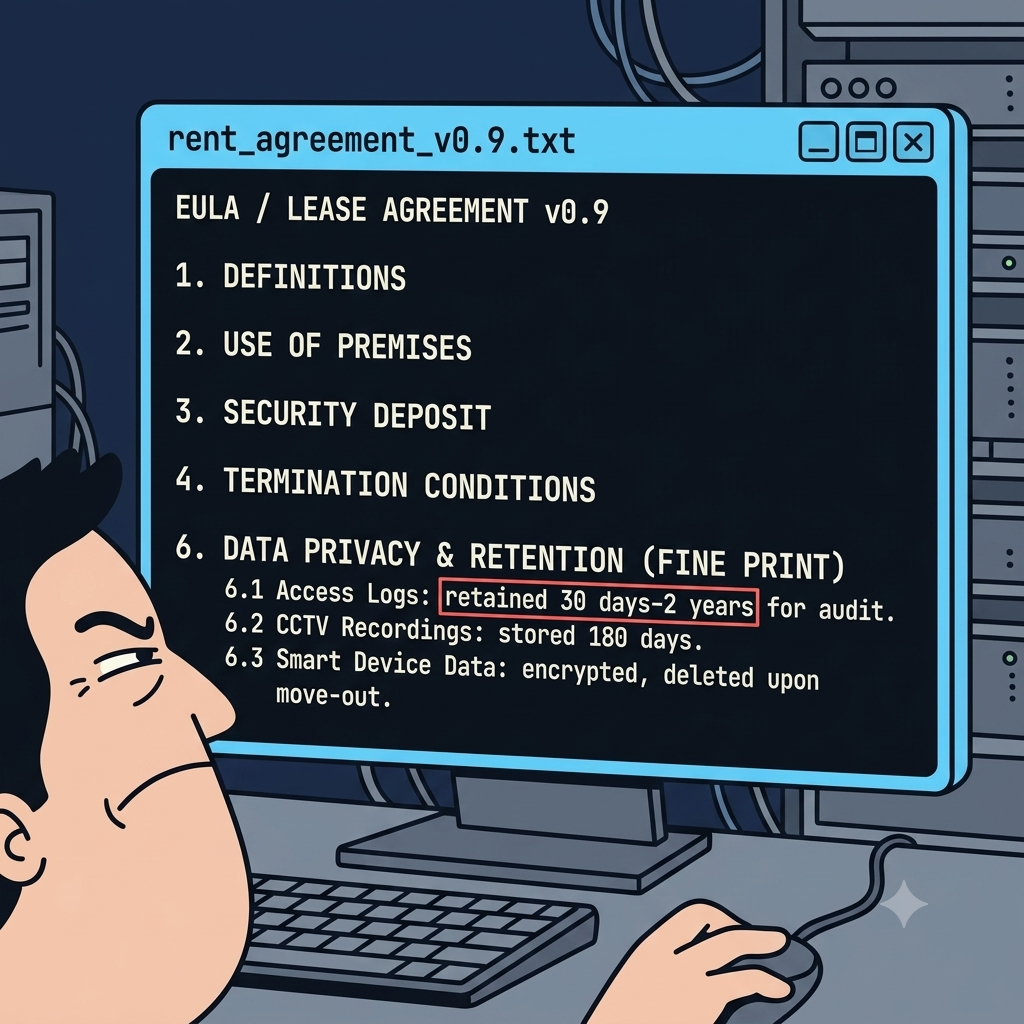
Renting AI looks like the same trade on paper. Skip the hardware capex, pay monthly for someone else’s GPUs, let the vendor handle the maintenance. For raw inference, the compute itself, that logic mostly holds. Rent it. The 73% transfers just fine.
The part you’re also renting, usually without noticing, is the memory: the accumulated context, preferences, and judgment your agent builds up about you or your company. In the analogy, that’s your furniture, your mail, and your conversations. This is where the lease breaks down, because the AI landlord has access to a copy of everything. With Fable 5, Anthropic retains prompts and outputs for 30 days, or up to two years if something gets flagged. Microsoft looked at those terms and restricted their own employees from using Claude.
Draw your own conclusions. I’ve drawn mine.
A renter who moves out takes their furniture with them. Try taking your agent’s memory with you when you switch vendors.
Meet pifighter
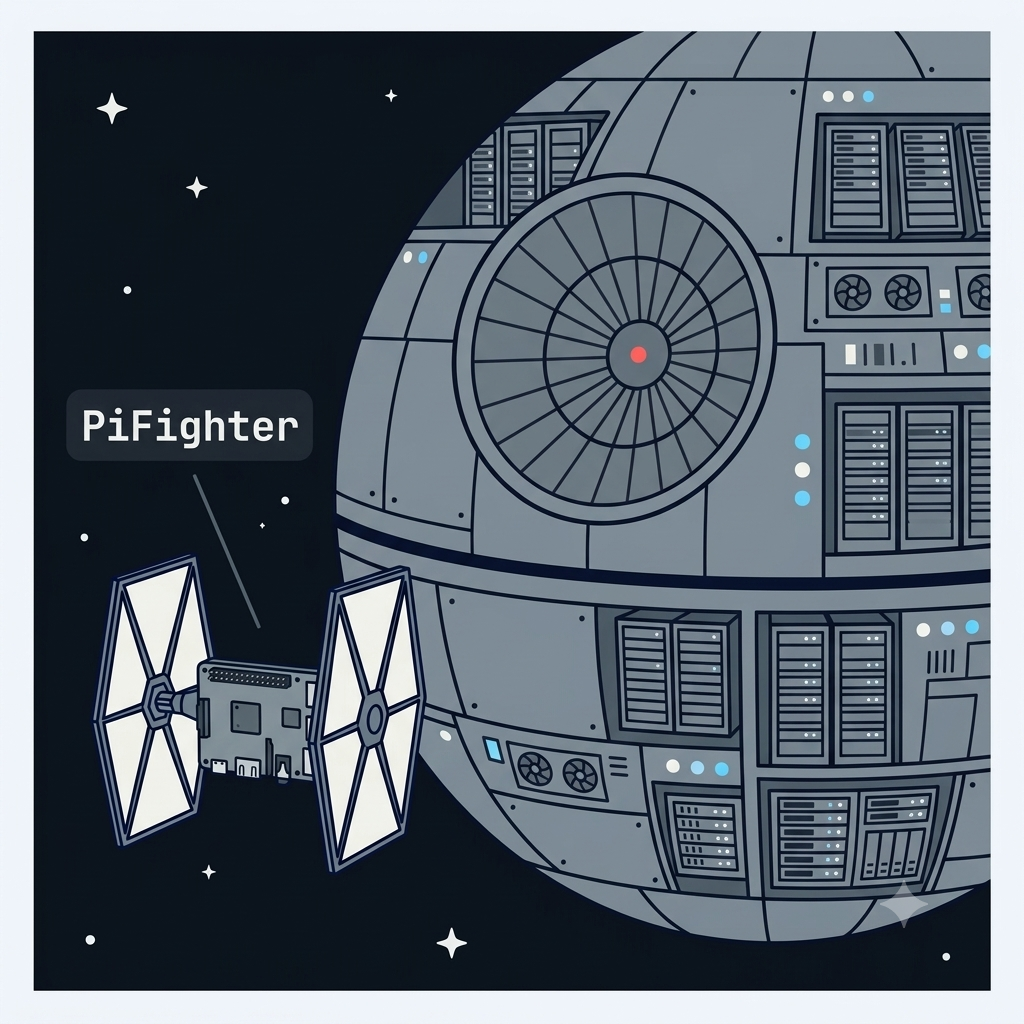
I’ve written about pifighter before. It’s a Raspberry Pi 5 with 8GB of RAM that cost about a hundred dollars and runs a small container stack: Ollama serving Phi-3 Mini for local inference, Open WebUI so I can chat with it like a civilized person, n8n for automation, and Watchtower to monitor container updates. Watchtower is set to notify-only. It tattles to a Slack channel. It is not allowed to touch anything.
Every morning at 8am, an n8n workflow assembles an AI news briefing and emails it to me. The operating rule for the whole stack is simple: local models where possible, cloud where necessary, and the memory stays home. Phi-3 Mini handles the small stuff. When a job needs a bigger brain, the workflow calls Groq’s free tier, sends the minimum context required, and keeps everything else on a microSD card I can physically hold in my hand.
My rent-versus-buy split was done deliberately. I rent inference when it makes sense. Nobody rents my furniture back to me.
The part where I admit things
Phi-3 Mini takes up to thirty seconds to answer, and my own infrastructure notes describe it as “suitable for simple tasks only,” which is the polite version. A 3.8B parameter model on a hobbyist board is not replacing a frontier model, and I’m not going to pretend otherwise. I still use big cloud models for work that deserves them. I’m also working on a CoreOS-based Linux box to handle bigger models so that I can do that less often.
But the pattern I’ve been hand-rolling on a Pi is quietly becoming real infrastructure. TencentCloud just open-sourced TencentDB Agent Memory under MIT. It’s a local memory pipeline for agents that makes zero external API calls. Their benchmarks showed a 60% drop in token usage and personalization accuracy jumping 48% – 76%. An agent is more useful when its memory lives next to it instead of behind someone else’s API. It’s cheaper, too.
Models will keep evolving. This year’s frontier model is next year’s legacy pricing tier. The memory is the part worth owning, because whoever holds the memory holds the agent.
exit 0
You don’t need a Raspberry Pi with a Star Wars themed name. You do need answers to three questions before you hand an agent your working memory:
- Where does it live?
- Who can read it?
- What happens when the vendor changes the terms?
Rent when you’re young and invest the diff. Put some of it toward a small army of AI agents and build something, as my son surely will. But read that AI lease the way you’d read a normal one.
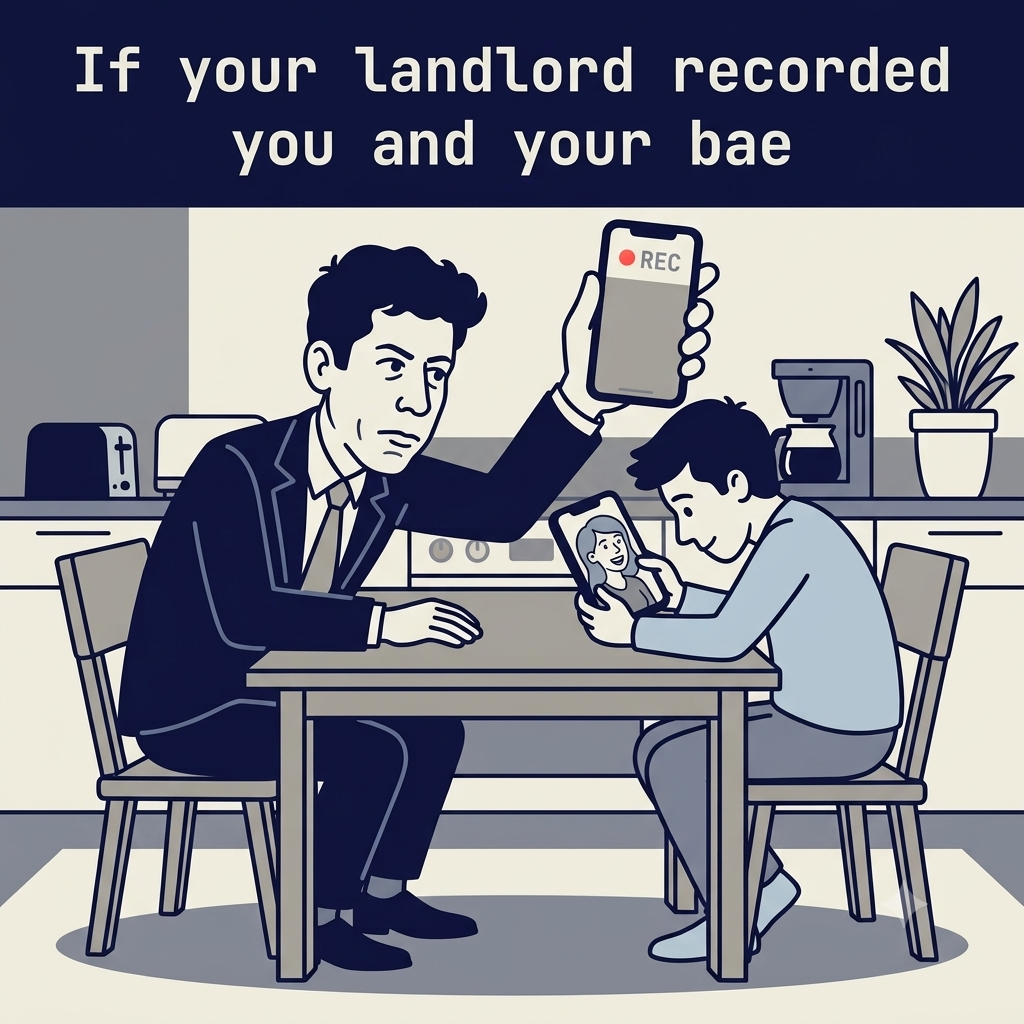
You own your bedding. No landlord on earth gets to record you FaceTiming your bae.